The origin of classic cocktails can be traced to early 19th-century America, where the first recorded definition of a cocktail was a mix of spirits, sugar, water and bitters. This simple combination built on punch traditions brought over by British sailors and settlers. As American bartenders experimented with new ingredients and tools, the cocktail scene grew more creative and complex. This foundational period is a key milestone in the history of cocktails, setting the stage for every cocktail that followed.
Discover the History of Classic Cocktails Every Mixologist Should Know
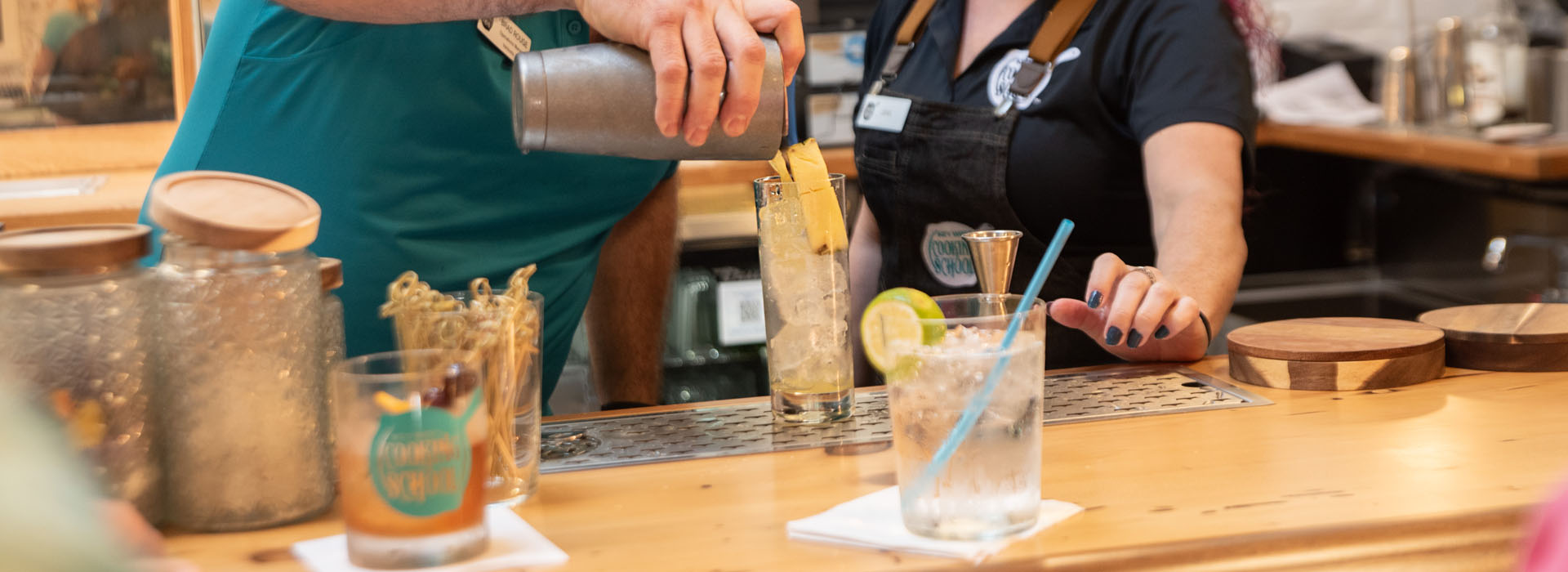
The history of cocktails is rich, flavorful and shaped by centuries of innovation. From British punches to tiki bars and Prohibition-era speakeasies, cocktail culture has evolved alongside major moments in history. At Key West Cooking Show, guests enjoy immersive storytelling and expert-led sessions that uncover the art and legacy behind each drink. The experience begins with Bar 1, an inviting space designed to set the tone for learning, tasting and discovering the deeper meaning behind every pour.
The Origins of Cocktails
What Were the First Cocktails Like?
Cocktails owe much of their origin to British punches, which were communal drinks popular in the 17th and 18th centuries. These flavorful combinations of spirits, sugar, citrus, water and spices were first enjoyed by sailors, aristocrats and travelers before making their way across the Atlantic. While they weren’t quite the cocktails we know today, these early punches played a foundational role in the evolution of cocktail culture by setting the stage for more refined and individualized drink recipes.
How Did Cocktails Evolve in America?
British sailors and colonists brought punch-making traditions to the Americas, where these recipes were adapted to local ingredients and tastes. In 1806, the first printed definition of a cocktail described it as a mix of spirits, sugar, water and bitters. That foundational formula became a springboard for creativity behind the bar and marked a key turning point in the history of cocktail drinks. As bars grew in popularity, regional variations emerged, and bartenders began to establish reputations for signature drinks. These early developments helped shape the vibrant cocktail culture we know today.
Prohibition and the Rise of Speakeasies

How Did Prohibition Change Drinking Habits?
The Prohibition era, from 1920 to 1933, made it illegal to manufacture and sell alcohol in the United States. But that did not stop Americans from drinking. Hidden establishments known as speakeasies flourished. Bartenders were forced to work with poorly made, often harsh spirits. To make these more palatable, they introduced citrus, honey, sugar and syrups. Many of the elements that define classic cocktails came from this inventive period. This chapter in the history of cocktails pushed mixologists to get creative with whatever ingredients they had on hand, leading to groundbreaking recipes that remain popular today.
What Cocktails Came Out of This Era?
Some of the most enduring drinks in the history of cocktails were born during Prohibition:
- Bee’s Knees: Combines gin, lemon juice and honey for a smooth finish.
- Southside: Features gin, lime juice, mint and simple syrup.
- French 75: A lively mix of gin, lemon juice, sugar and champagne.
These recipes not only helped mask the harsh flavors of bootleg spirits, they sparked a creative shift in how bartenders approached drink-making, encouraging experimentation and leading to many beloved cocktails still served today in American bartending. Bartenders became artists, finding new ways to blend flavor and flair using whatever ingredients were available. That ingenuity helped shape the history of cocktail drinks for generations to come. Even today, many of these cocktails remain staples at bars around the world, proving that necessity often leads to brilliance in the world of spirits.
The Tiki Craze
What Sparked the Tiki Movement?
In the 1930s, Donn Beach opened the first tiki bar in Los Angeles, creating an immersive space with bamboo décor and layered rum-based drinks with theatrical presentation. His bars quickly became popular with guests who wanted an imaginative and transporting experience. The tiki concept shifted the focus of drinking from simple service to themed atmosphere and complex recipes that emphasized multiple ingredients and visually engaging flair. It marked a new chapter in the history of cocktails, where presentation and environment became nearly as important as flavor.
Which Tiki Drinks Became Famous?
Some of the most enduring drinks in the history of cocktails were born during Prohibition:
- Mai Tai: A fusion of rum, lime juice, orgeat syrup and orange liqueur.
- Zombie: A strong blend of rums, fruit juices and tropical spices.
- Piña Colada: A creamy mixture of rum, coconut cream and pineapple juice.
This playful period was pivotal in the history of cocktail drinks, turning bartending into an art form and inviting drinkers to experience cocktails as entertainment. Tiki culture helped pave the way for the dramatic, theatrical presentation styles still seen in modern bars. The use of colorful garnishes, elaborate glassware and storytelling behind each recipe helped expand the role of the bartender from technician to performer, adding new depth to the history of cocktails.
Iconic Classic Cocktails and Their Histories
Why Do These Cocktails Stand the Test of Time?
- Martini – Possibly evolved from the Martinez cocktail or linked to Martinez, California, the martini gained popularity in the late 1800s. With its sleek presentation and customizable spirit-to-vermouth ratio, it became a signature of refinement in the history of cocktails. It is one of the most requested cocktails of all time, thanks to its minimalism and elegance.
- Old Fashioned – One of the earliest cocktails ever recorded, the Old Fashioned appeared in Jerry Thomas’ 1862 bartending guide. This no-frills drink is made with spirit, sugar, bitters and water. It has earned its place as a cornerstone of classic cocktail culture and is central to the history of cocktails. It continues to symbolize timeless style in today’s cocktail scene.
- Sazerac – A New Orleans staple, the Sazerac dates to the early 1800s and was originally crafted with cognac. When phylloxera damaged vineyards, rye whiskey became the spirit of choice. It remains one of the most iconic whiskey-based drinks in the history of cocktail drinks and is a testament to American ingenuity in the face of adversity.
- Negroni – This Italian favorite is believed to have been created in Florence in the early 20th century. Combining gin, vermouth rosso and Campari, it offers a bittersweet balance that continues to win fans today. Its global appeal reinforces its role in the expanding history of cocktails.
- Mojito – With roots in Havana, the mojito’s early form was called El Draque. It was a tonic made from rum, lime and mint, originally used to ward off scurvy among sailors. Over time, this mix transformed into the mojito we know today. It is a cool citrus-forward drink ideal for hot climates and beachside settings. It remains a beloved staple in the history of cocktail drinks and is favored by those who enjoy a refreshing balance of tart and sweet flavors.
- Piña Colada – Stories trace its origins to Puerto Rican Pirate Roberto Cofresí, though it reappeared in the 20th century as a vacation staple. Creamy, sweet and irresistible, it’s a standout in the history of cocktails. Its tropical ingredients and playful spirit have helped secure its place as a drink that brings fun and flair to any setting.
Modern Mixology and the Revival of Classics
How Are Today’s Bartenders Honoring the Past?
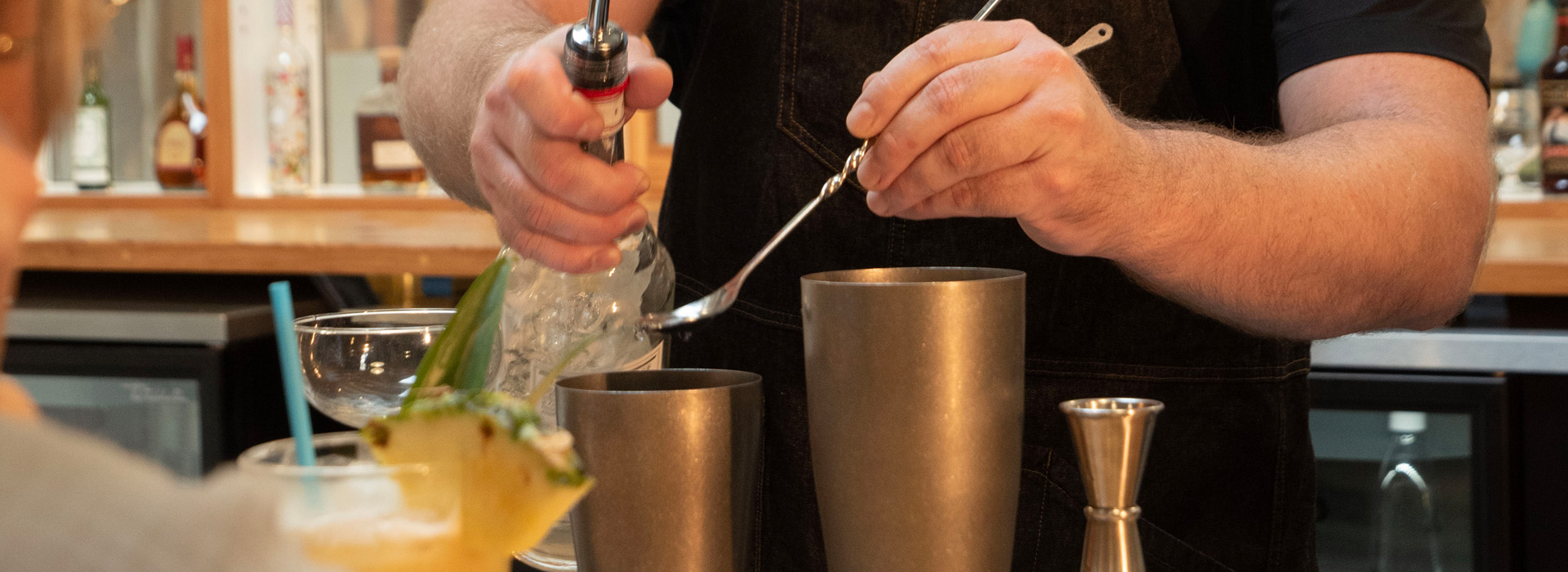
Modern mixologists are diving deep into the past, reimagining classics with better ingredients, house-made syrups and new techniques. You can see the impact of the history of cocktails in bars and kitchens around the world. From barrel-aged drinks to clarified punch and locally sourced garnishes, every element tells a story. Sustainability and local flavor now often guide the glass, reflecting modern values while paying tribute to the past.
At Key West Cooking Show, traditions come to life inside Bar 1, a welcoming space designed to honor the island’s rich cocktail heritage. Set in a historic building that feels equal parts intimate and inspiring, this gathering spot sets the tone for every session. Guests enjoy a relaxed, engaging environment where each recipe becomes a story. Classes explore the history of cocktails one drink at a time, weaving together foundational techniques, Florida Keys ingredients and expert instruction. Every demonstration connects past and present, offering a deeper understanding of what separates a good drink from a truly memorable one. Designed for curious spirits enthusiasts, these sessions inspire guests to connect with cocktail culture in meaningful and delicious ways.
Why Keep Exploring the History of Cocktails?
The history of cocktails continues to influence what’s poured, stirred and served around the world. Each recipe is more than a mix of ingredients. It is a reflection of time, place and creativity. By understanding the roots of classic cocktails, guests can appreciate the skill and intention behind every pour. At Key West Cooking Show, sessions are crafted to highlight this lasting connection between culture and craft, offering a thoughtful experience for anyone who loves a great drink and a great story.
FAQs
Every bartender should be familiar with a core set of drinks that form the backbone of cocktail history. These include the Old Fashioned, Martini, Manhattan, Margarita, Mojito and Negroni. Each one highlights a particular style, technique or spirit base. Learning how to craft these classics teaches the principles of balance, structure and flavor that every good cocktail is built upon. These recipes are iconic in the history of cocktail drinks and serve as stepping stones to mastering more complex concoctions.
The Old Fashioned is widely recognized as the oldest known cocktail, first appearing in print in the 1860s. It adheres closely to the original cocktail definition: spirit, sugar, water and bitters. While earlier punch recipes existed, the Old Fashioned is celebrated for formalizing the individual, spirit-forward drink. Its enduring popularity and simple elegance continue to influence mixologists and maintain its status in the history of cocktails.
Prohibition profoundly impacted the history of cocktails. The era forced bartenders to mask the poor quality of bootleg alcohol with mixers and sweeteners. Speakeasies became laboratories for creativity, where new recipes emerged out of necessity. Many classic cocktails still enjoyed today were invented or refined during this time. The period also helped elevate bartending into a respected craft, encouraging innovation that shaped future generations of mixologists.
Classic whiskey cocktails include the Old Fashioned, Manhattan, Whiskey Sour, Sazerac and Boulevardier. Each offers a distinct flavor profile, from the simple and strong to the bright and citrusy. These drinks showcase whiskey’s versatility and have earned their place in the history of cocktails. Understanding these cocktails provides insight into how whiskey has helped shape mixology over the years.
The Rum Runner is often credited to a bartender at the Holiday Isle Tiki Bar in Islamorada in the 1950s, though it gained fame throughout the Florida Keys. Made with rum, banana liqueur, blackberry brandy, lime juice and grenadine, it reflects the tropical spirit of the region. While not exclusive to Key West, the cocktail is a staple at many island bars and adds a local flair to the larger history of cocktail drinks.