To freeze raw spiny lobster tails effectively, wrap each cleaned tail tightly in plastic wrap to eliminate air exposure, then place them inside a heavy-duty vacuum-seal bag or freezer bag. For maximum-quality protection over long periods, submerged tails can be frozen in plastic containers filled with lightly salted water, preserving texture and flavor for months.
The Complete Guide to Florida’s Spiny Lobster Season
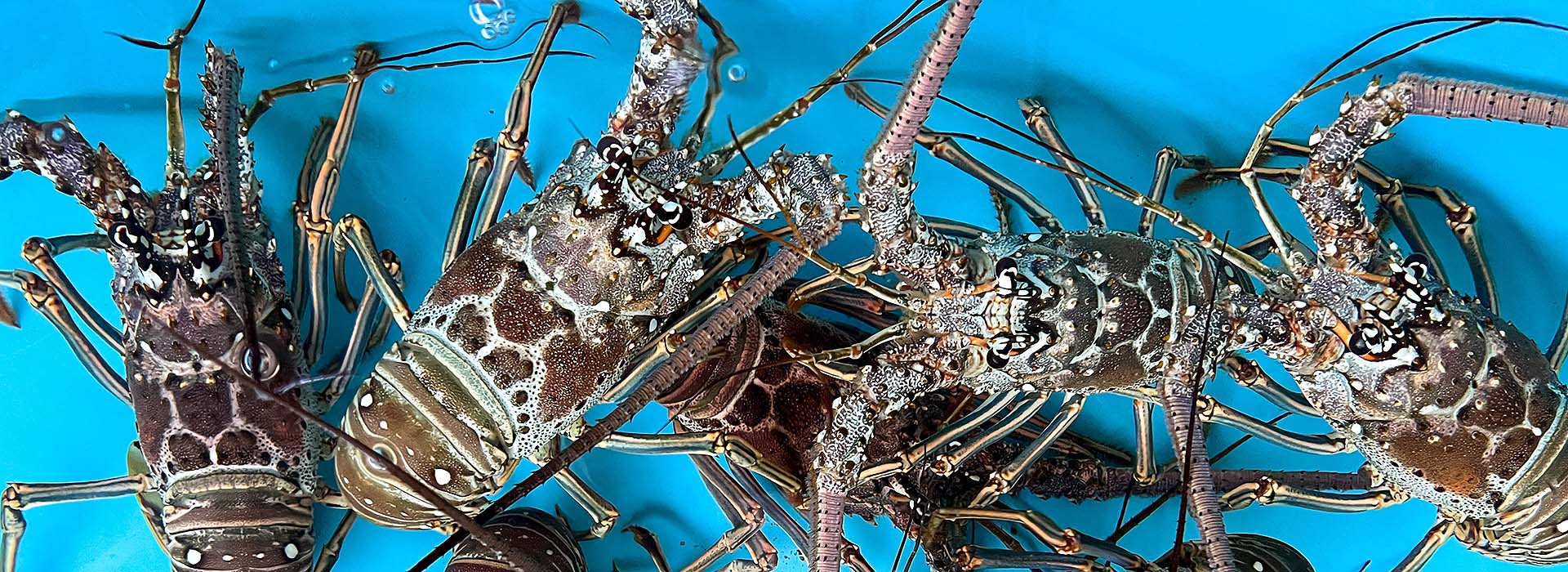
The energetic buzz along the Key West docks signals a change in the ocean air every summer. Nothing creates more anticipation among local captains, visiting divers, and island chefs than the annual arrival of the Florida spiny lobster season. Understanding this time-honored harvest requires looking at precise state regulations, historic conservation efforts, and the culinary practices that transform raw catches into legendary meals.
Getting To Know Our Local Legend
Understanding the biological identity of our local marine life gives context to why islanders revere this creature. The Florida spiny lobster (Panulirus argus) is vital to the waters off the Florida Keys. Diving into the clear turquoise shallows during Florida spiny lobster season brings you face-to-face with a creature shaped by centuries of Atlantic evolution.
What Is the Florida Spiny Lobster?
Our local species differs significantly from its northern Atlantic, cold-water cousins. Northern lobsters possess massive, heavy crushing claws, while the Florida spiny lobster completely lacks large claws. Instead, it relies on a hard, spiky exoskeleton covered in beautiful mottled spots ranging from deep brown and olive green to brilliant orange and cream.
To protect itself from predators along coral reefs and limestone ledges, it uses two exceptionally long antennae that whip through the water to sense surrounding movement. Because it lacks heavy claw meat, the true prize of the harvest resides in the thick sweet tail muscle. Local divers often refer to these creatures simply as “bugs,” an affectionate term born out of maritime slang used across generations of island fishers.
Seasonality
Participating in the annual harvest means following two distinct calendar periods established by wildlife authorities. Each portion of the harvest year brings a unique energy to the docks in Old Town Key West:
- The Sport “Mini”-Season: This two-day sprint takes place during the last consecutive Wednesday and Thursday of July. Reserved exclusively for recreational harvesters, it offers a quick opportunity for sport divers to hit the reefs before commercial traps enter the water.
- The Regular Season: The eight-month marathon opens annually on August 6 and runs continuously through March 31. During this main chapter of the Florida spiny lobster season, commercial boat captains and recreational divers share the ocean under standardized daily bag limits.

Know Before You Go
Respecting state laws and marine ecology remains a core value of maritime life in the Florida Keys. Before boarding a charter boat or heading into shallow grass flats, every individual must obtain a valid Florida saltwater fishing license equipped with an official spiny lobster permit.
Carrying proper safety gear is essential. Boaters must display an approved diver-down flag whenever snorkelers or scuba divers enter the water. On open ocean waters, flags must measure at least 20 by 24 inches and feature a stiffener to remain visible. Maintaining a safe distance from other vessels ensures everyone returns to the docks safely.
The Carapace Rule
Aside from diving laws and safety, precise measurement of your catch is the single most critical rule of the Florida spiny lobster season. State conservation officers require every diver to carry an approved rigid measuring gauge directly into the water. You must measure every single lobster while still submerged before placing it in a catch bag or taking it aboard your boat.
The carapace measurement extends from the hard structural ridge between the hornlike antennae down to the rear edge of the hard body shell, just before the tail begins.
- Minimum Size Limit: The carapace must measure strictly greater than 3 inches in length.
- Egg-Bearing Females: Harvesting egg-bearing females is strictly illegal year-round. Divers must inspect the underside of the tail for bright orange or dark yellow egg masses (known as berries) and release those females immediately without harm.
- Whole Condition Rule: State law mandates that lobsters remain in whole condition until you return to the mainland dock. Separating the tail from the body shell on the water prevents officers from measuring the legal carapace length, making tailing at sea illegal.

Key West No-Take Zones
Protecting the delicate underwater ecosystems of our marine sanctuaries ensures robust wildlife populations for future generations. Large portions of local waters operate as fully protected preserves where taking marine life is strictly forbidden during Florida spiny lobster season.
Key sanctuary areas off limits to lobstering include:
- Everglades National Park: Taking lobsters remains prohibited within park boundaries.
- Dry Tortugas National Park: The entire park, including the historic masonry walls of Fort Jefferson and surrounding coral banks, operates as a strict no-take zone.
- Sanctuary Preservation Areas: Specific marked reefs within the Florida Keys National Marine Sanctuary prohibit harvesting to protect sensitive coral formations and juvenile species.
- Key West Coral Reef Preserves: Local marked sanctuary zones off the island maintain full protection year-round.
Navigating around these boundaries requires paying close attention to GPS markers, marine charts, and yellow boundary buoys floating on the water surface.
The Culinary Connection
Once you return to land with legally harvested catches, the true joy of island cooking begins. The sweet, firm meat of the tail adapts exceptionally well to traditional cooking techniques developed in island kitchens over the decades.
The Classic Key West Backyard Feast
The classic island preparation centers around open-flame grilling. Clean the tail thoroughly, then split it lengthwise right down the center using a heavy kitchen knife. Brush the exposed white meat generously with a mixture of melted clarified butter, minced garlic, sea salt, fresh chopped parsley, and a generous squeeze of fresh local Key lime juice.
Place the tail halves flesh side down on a hot grill for two minutes to sear the surface, then flip shell side down. Baste the meat with additional garlic-lime butter while the hard shell turns a deep, brilliant crimson. Grill until the meat transforms from translucent to opaque, tender, and juicy. Serving the tail alongside sweet corn, island beans, and fried plantains creates a classic feast enjoyed in backyards across the Keys during Florida spiny lobster season.

Spiny Lobster Ceviche
For warm summer afternoons following a long day on the water, raw citrus-cured preparations offer a vibrant, cooling alternative. Dice raw, ultra-fresh tail meat into small, uniform cubes. Place the diced meat into a glass bowl and cover it completely with fresh, hand-squeezed Key lime juice. The natural acid gently cooks and firms up the proteins over two to three hours in the refrigerator.
Once the meat turns firm and opaque white, toss it lightly with diced red onion, minced jalapenos, sweet bell peppers, ripe mango cubes, fresh cilantro, and a touch of sea salt. Serve this refreshing ceviche chilled alongside crispy plantain chips or homemade tortilla chips. The natural sweetness of the lobster pairs seamlessly with the bright tartness of our local citrus.
Heritage and Traditions
The arrival of Florida spiny lobster season is a living connection to island history. Key West’s maritime identity emerged through the blend of Bahamian wreckers, Cuban cigar makers, and multigenerational fishing families. These early settlers mastered the art of reading ocean currents, tracking lobster movements under coral ledges, and harvesting marine life efficiently.
Early island residents relied on wooden tickle sticks and hand nets, passing down underwater hunting secrets from parents to children. The moniker “Conch” describes both native-born islanders and the resilient spirit of a community tied directly to the sea. Modern commercial fishing fleets based along our historic docks continue these working traditions today, supplying fresh seafood to local markets, family kitchens, and historic restaurants across the region.
Explore Culinary Arts at the Key West Cooking Show
After spending a morning out on the ocean or exploring our historic streets, dive deeper into our local food culture by reserving a seat at the Key West Cooking Show®. Operating as part of Historic Tours of America®, The Nation’s Storyteller®, our unique venue presents an interactive history dinner theater that brings regional recipes to life through live culinary performances.
Guests enjoy an engaging five-tiered Dinnertainment™ experience. Our curated menu structure guides you through authentic island courses:
- Table Starter: A welcoming bite introducing foundational regional flavors.
- Appetizer: Freshly prepared small plates celebrating seafood customs and Cuban influences.
- Central Course: A masterfully crafted main course demonstrating professional regional cooking techniques.
- Accompanying Addition: Complementary side pairings that elevate the primary flavor profile.
- Dessert: A sweet historic finish highlighting regional citrus recipes.

Be sure to check our rotating seasonal menu to see when fresh dishes featuring items from the Florida spiny lobster season are highlighted on our stage!
While visiting our venue, stop into our on-site bar, Bar 1. Bar 1 offers an educational cocktail program featuring hands-on drink classes, historic rum tastings, and handcrafted mixology inspired by regional maritime history. Learning how to pair fresh seafood with classical island rum punches or crisp citrus cocktails rounds out your culinary education.
Will You Try Your Luck During Florida’s Spiny Lobster Season?
The arrival of Florida spiny lobster season highlights the unique connection between our local waters, historic conservation practices, and island food culture. By understanding measuring rules, respecting sanctuary zones, and mastering traditional preparations, visitors and locals alike honor our rich maritime heritage. Join us at the Key West Cooking Show and Bar 1 to continue your culinary journey and celebrate the authentic tastes of the Conch Republic!

FAQs
Florida law requires harvesters to land spiny lobsters in whole condition so marine enforcement officers can verify that every tail meets the legal carapace measurement of over 3 inches while alive. Tailing lobsters at sea prevents officers from measuring carapace length, resulting in steep fines.
A tickle stick is a light fiberglass or aluminum rod with a gentle curve at the tip, used by divers to harvest lobsters humanely. Divers slide the curved end gently behind a lobster hiding under a coral ledge, tapping its tail lightly. This motion encourages the lobster to walk forward out of its hole directly into an awaiting hand net.
While diving and snorkeling represent the most common recreational methods, harvesters can also catch spiny lobsters from shallow flats or wading zones at night using headlamps, bully nets, and hand nets. Commercial harvesters utilize baited wire traps deployed across offshore waters.
You can order fresh catches during Florida spiny lobster season at dockside seafood markets, raw bars, and historic restaurants across the harbor. To learn how island chefs prepare signature seafood dishes, check the rotating menu and performance schedule at the Key West Cooking Show!